

Dentist in the City of London: Care That Fits a Diary
I’m Kush, and I’ve spent well over a decade as a dentist in the City of London. It’s a particular world, and treating people who work in it well means understanding how their days actually run. But first, let me tell you how I found the place — because it says everything about the City.
The clinic inside a bank
Back in 2012, I typed the Smile Hub address into Google Maps and set off to meet Catherine, the owner. I was expecting the usual: a glass frontage, an Invisalign poster in the window, a sign.
Instead I found a bank. I walked up and down the pavement, past the same building again and again, stopping people to ask, “Excuse me, do you know where Smile Hub is? It’s a dental clinic.” Nobody did. I was convinced I had the wrong street.
Then Catherine spotted me from a Starbucks window, pacing back and forth, and came out. “Are you the one going up and down?” she said. I was — mortified, and late. And she explained the thing I’d never have guessed:
“Oh yeah, sorry — we’re a clinic inside a bank.”
A clinic inside a bank. Once you understand that, you understand the whole practice.
What changes when the dentist is a lift ride away
For the professionals I look after, the clinic isn’t across town. It’s downstairs. That single fact changes everything about how dentistry fits into a life like theirs.
An Outlook reminder pops up — “dentist appointment” — and that’s genuinely all it takes. If they’re running late, they’re two minutes late, because they’ve just come down in the lift. There’s no journey to dread, no half-day written off, no excuse to cancel. The appointment slots into the working day the way a meeting does.
Time-poor, pocket-rich — and proactive
The people I treat here are, as I often put it, time-poor and pocket-rich. Their diaries are the scarce resource, not their willingness to look after themselves. So keeping to time and giving them a service that clearly respects their day is a big part of the job.
And there’s a real advantage hiding in that. This is not, on the whole, a pain-driven group. They don’t wait for something to hurt before they act — the same instinct that makes a lawyer or a banker want to nip a problem in the bud applies to their teeth. They’ll book the MOT once a year, get their hair cut every few weeks, and see the dentist and hygienist on a sensible rhythm because that’s simply how they run their lives.
That proactive mindset removes a huge handicap. When people come in early, before there’s pain, we’re working with small, manageable things rather than emergencies. Prevention becomes the whole conversation.
But they arrive stressed — and stress shows up in the mouth
Here’s the flip side. Almost everyone comes through the door carrying stress. And stress doesn’t stay in your head; it shows up in the mouth.
The classic pattern is jaw clenching and grinding — often overnight, often without the person having any idea they’re doing it. Over time that shows as flattened, worn edges, tiny chips, sensitivity, tightness in the jaw, aching temples in the morning. The link between stress and teeth is one of the most common things I quietly pick up in this postcode, precisely because the people here are under sustained pressure and rarely stop to notice it.
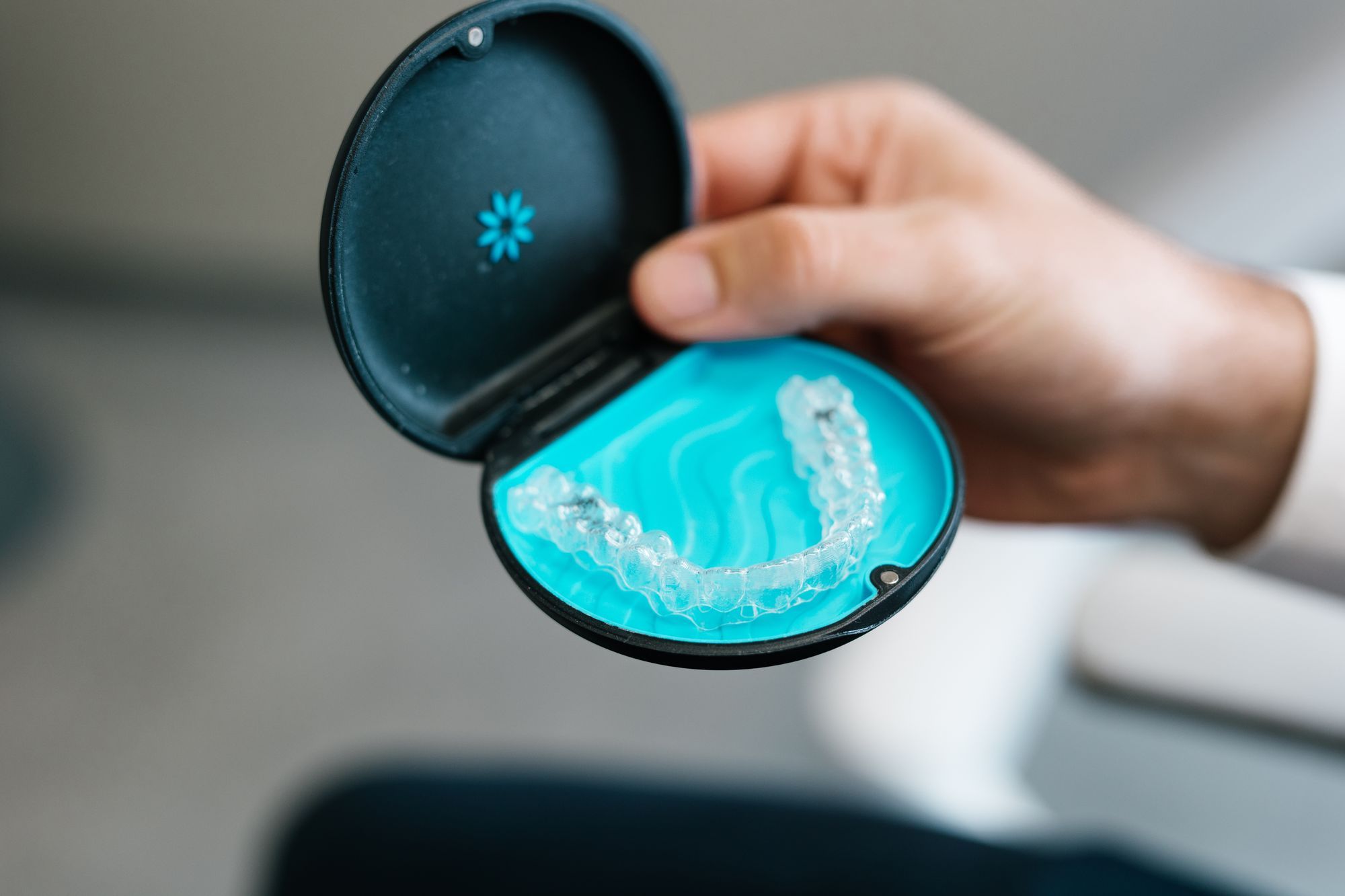
So it’s one of the first things I look for. If I can catch the wear early — and, where it’s helpful, protect the teeth from that nightly grinding — I can often stop a stressed-out bite from slowly shortening and damaging the front teeth. It’s a small intervention that saves a much bigger one later.
The small things that make it fit
Fitting dentistry around a City diary is mostly about a hundred small, practical courtesies. Early and lunchtime appointments. Keeping strictly to time. Reconfirming any fees at the start so there’s nothing to think about mid-treatment. Being reachable and efficient. None of it is glamorous — but for someone whose day is measured in fifteen-minute blocks, it’s the difference between keeping up with their dental care and letting it slide for another year.
Book around your day, not the other way round
If you work in the City and your teeth have been on the “when I get a minute” list for too long, that minute can be a lunch break.
Book a lunchtime or early appointment with Kush at Smile Hub, and let your dentistry fit around your diary.
FAQs
Can I see a dentist in the City of London during my lunch break?
Yes — early and lunchtime appointments are exactly what this kind of practice is built around, precisely because the people here are short on time, not short on intent.
Why do so many professionals grind or clench their teeth?
Stress is the usual driver, and a lot of clenching and grinding happens overnight without you realising. It’s one of the most common things I see in City patients, which is why I check for the early signs of wear.
What are the signs of jaw clenching and grinding?
Worn or flattened edges, small chips, tooth sensitivity, tightness or aching in the jaw, and headaches around the temples — often first thing in the morning. If you notice any of these, it’s worth flagging at a check-up.
I’m not in pain — is it still worth booking a check-up?
Absolutely. Catching problems early, before they hurt, is far easier and less involved than waiting for symptoms. Proactive check-ups are the whole idea.
Related treatments at Smile Hub: a new patient exam.