

Invisalign vs Braces: Is Invisalign Right for You?
Most articles comparing Invisalign vs braces are quietly trying to sell you the aligners. This one is more honest: clear aligners suit a great many people, but not everyone, and knowing which camp you are in is far more useful than being told they are perfect for all.
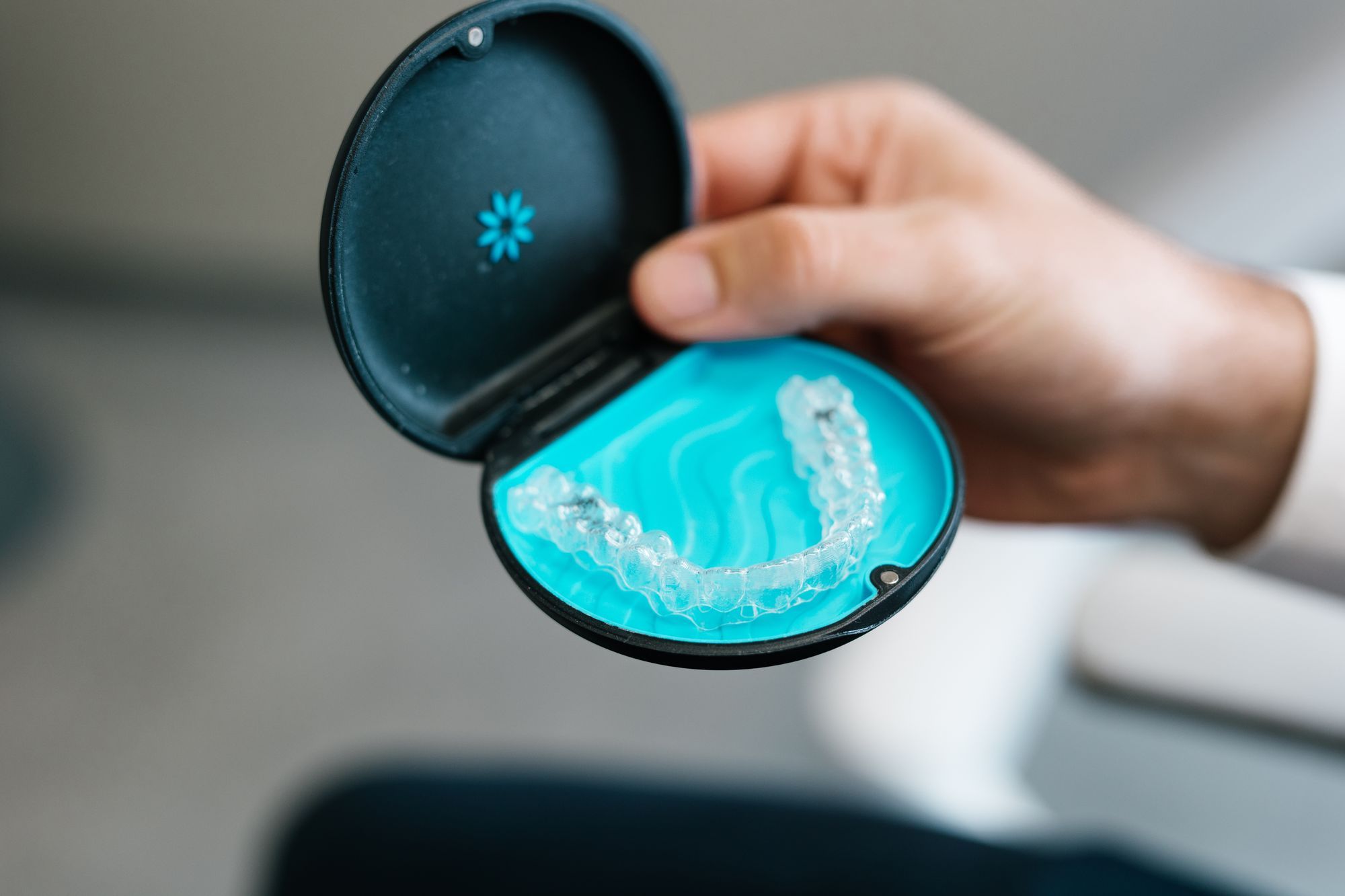
The defining feature of Invisalign is also its main condition of use — it is removable. That is the freedom people love, and it is exactly why the treatment asks something of you in return. As Smile Hub dentist Minesh Popat puts it, the very first question is not about your teeth at all.
“With an aligner, it’s something that’s removable. So, as a patient, you’ve first of all got to be motivated to know that, okay, I’m going to be wearing these aligners for most of the day.”
Here is how he thinks about who Invisalign genuinely suits — and who might be better served another way.
The three reasons people come in for clear aligners
Patients tend to arrive for one of three reasons, and most end up benefiting from all three regardless of which one brought them through the door.
Aesthetic
The most common starting point is simply how the teeth look, and the front teeth are usually the focus. People want a straighter, tidier smile, and for many that is the whole motivation.
Hygiene
The second group is thinking about cleaning.
“We’ve got patients who want to improve the crowding and overlapping of their teeth, because they find it tricky to clean. Having straighter teeth will obviously help to address that and improve access to areas which are otherwise quite tricky to reach.”
Crowded, overlapping teeth trap plaque in places a brush and floss struggle to reach. Straightening them can make day-to-day cleaning genuinely easier.
Functional
The third reason is about how the teeth meet and wear.
“Patients who have a very heavy bite on their front teeth — generally, we’ll notice their teeth getting shorter, yellower, wearing down with time. Invisalign can help to address those issues, get the teeth into an ideal bite to protect them in function long term.”
Teeth are designed by nature to sit in particular positions and to meet each other in particular ways. When that relationship is off, the front teeth can take a battering over the years. Improving the bite is as much about protecting the teeth as improving the look.
Whichever reason brings someone in, there is usually a good aesthetic result, and in most cases a functional improvement too.
Who Invisalign may not suit — and why that’s worth saying
This is the part that often goes unsaid. Because the aligners come out to eat and drink, your daily habits matter.
“If you think you frequently snack, or frequently drink coloured drinks, or hot tea, coffees, and you don’t think you’ll be able to compromise on that, then it might not necessarily be the best thing for you.”
The trays need to be worn for the great majority of the day and taken out for meals and coloured or hot drinks. If your routine involves constant grazing or a drink permanently on your desk, and you honestly do not think you can adjust, aligners may frustrate you.
That said, this is a hurdle rather than a wall. In practice, most people settle in.
“Generally I find most patients, even though initially they might be a bit apprehensive about having something in, after a couple of weeks sort of get used to all of that. So I’d say that could be a factor, but it’s something that can be overcome.”
When braces or a specialist referral is the better route
There are also cases where a fixed appliance, or a referral, is simply the right clinical call — and Smile Hub would rather tell you that than stretch aligners to fit.
- Significant skeletal differences. If the jaws themselves are markedly different in size and need to change, a fixed approach may be more appropriate than aligners alone.
- Impacted teeth. Teeth stuck within the bone sometimes need to be gently guided into place with a wire, which can be beyond what aligners are designed to do.
It is fair to add that the technology keeps moving. Cases that once fell outside the scope of aligners — certain open bites and cross bites, for example — can now sometimes be treated with them. So the honest position is that the vast majority of cases can be treated with aligners, but not all.
And where they cannot, there is a clear next step rather than a compromise:
“If they’re not, at Smile Hub we’ve got a good referral system with a local orthodontist who can take over the case.”
That referral route is the point. The goal is the right treatment for your teeth, not a particular product for its own sake.
FAQ
Is Invisalign better than braces?
Neither is universally better — it depends on your case and your lifestyle. Invisalign suits people who want a discreet, removable option and can commit to wearing the aligners for most of the day. Some cases, such as significant skeletal differences or impacted teeth, may be better treated with fixed braces or referred to an orthodontist.
Can Invisalign fix any case?
No. The vast majority of cases can be treated with clear aligners, and the technology now handles more complexity than it used to, but some cases genuinely need fixed appliances or specialist care. An assessment is the only way to know which applies to you.
Who is not a good candidate for Invisalign?
Anyone who cannot commit to wearing the aligners for most of the day, or who snacks or drinks coloured and hot drinks very frequently and does not feel able to adjust, may find aligners difficult. Certain complex cases may also be better suited to braces or a referral.
What happens if my case isn’t right for Invisalign?
Smile Hub has a referral arrangement with a local orthodontist, so a case that is not suited to aligners can be handed over to the right person rather than forced into the wrong treatment.
How long does Invisalign take?
Treatment time varies from person to person depending on the case, so it is not something we can promise up front. An assessment gives you a realistic picture for your own teeth.
Find out if Invisalign is right for you
The only way to know whether clear aligners suit your teeth and your routine is an honest assessment — including whether a referral would serve you better. Book an assessment at Smile Hub to find out if it is right for you.
Related treatments at Smile Hub: the Invisalign journey, Invisalign fees.