

No, Invisalign Isn’t Invisible — An Honest Guide
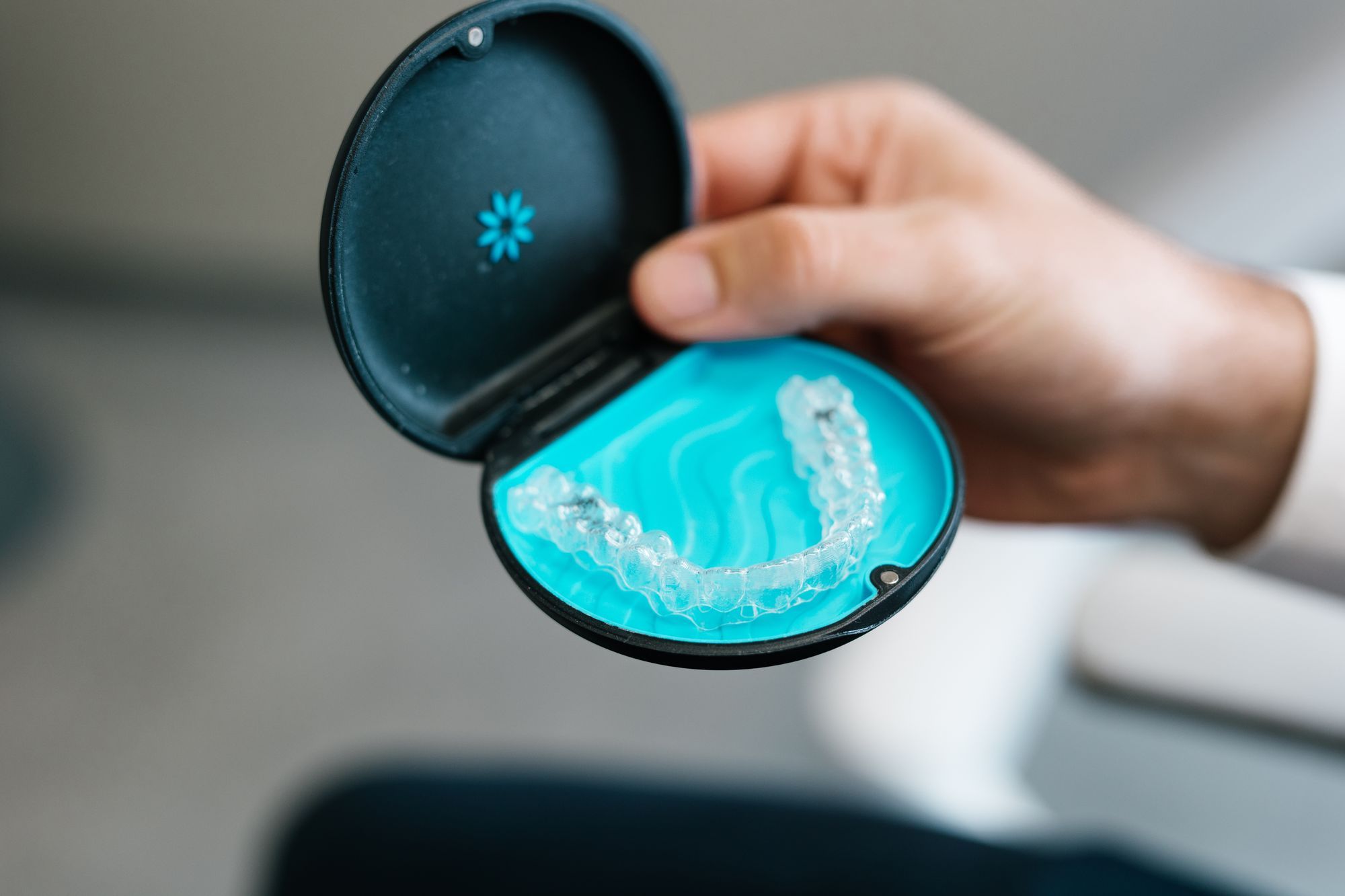
Let me say the quiet part out loud. People ask me all the time whether Invisalign is invisible, and my honest answer is no. Even though it’s called Invisalign, it’s not invisible, it never has been. It is as close to invisible as clear aligners get, which is genuinely impressive — but “close” and “completely” are two different words, and I’d rather you heard that from me now than felt surprised by it later.
I’ve been fitting Invisalign since 2005, and if there’s one thing twenty years has taught me, it’s that the honest conversation up front is what makes the treatment go well. So here’s the conversation I have with every patient before they commit to anything.
“As close to invisible as you can get” — what that actually means
The aligners themselves are clear, thin and custom-made to your teeth. Across a room, most people won’t notice them. Up close, in good light, someone might. That’s the honest picture.
We also design treatment to keep things as discreet as possible. Where we need to create a little room between teeth, we generally try to keep that towards the back of the mouth, so the changes you can see are minimal. As I tell people: it isn’t invisible, but it’s about as close as you can get.
Attachments are visible — and they’re not optional
Here’s the bit that surprises people most. To move teeth predictably, we often bond small tooth-coloured bumps of composite onto some teeth. We call them attachments, and the aligner grips them to push a tooth exactly where the plan needs it to go.
They’re small, but they’re there, and on a front tooth you may be able to see them. They are also not something you can pick and choose. My rule of thumb comes straight from conventional braces:
“Every bracket that’s on a tooth for braces is required. Every attachment that’s on a tooth for Invisalign is required.”
If an attachment is on a front tooth, it’s because that tooth needs it. Leaving it off doesn’t make the treatment more discreet — it just means the tooth doesn’t move the way the plan promised.
The first few days: does Invisalign hurt?
The other question I’m asked constantly is whether Invisalign hurts. It shouldn’t be painful, but I won’t pretend it’s nothing. Each new set of aligners applies gentle pressure — that pressure is the whole point, it’s what moves the teeth — so the first day or two on a new tray can feel tight or tender, especially when you take them out. For most people that settles within a couple of weeks as you get used to the rhythm, and a new tray becomes routine rather than something you brace yourself for. Everyone’s a little different, though, so I’d never put a fixed number on it.
Your speech takes a day or two to catch up
When you first pop the aligners in, you might notice a slight lisp. Your tongue is meeting a new surface and it takes a short while to adjust. Almost everyone sounds completely normal again within a few days — often faster than they expect. If your job involves a lot of talking, I’ll always flag this in advance so a slightly slushy first afternoon doesn’t throw you.
The commitment: they’re in for most of the day
Aligners only work while you’re wearing them. The general guidance is to wear each set for around 22 hours a day. They come out to eat and to drink anything other than water, and they go straight back in afterwards.
For most of my patients this becomes second nature within a week. But I’d be doing you a disservice if I didn’t say it plainly: if you know you graze all day, sip coffee constantly or won’t want the discipline of taking them in and out, that’s worth an honest chat before we start, not after.
Why I tell you all of this before you pay
None of this is meant to talk you out of Invisalign — I love the treatment, I’ve had it myself, and it changes how people feel about their smile. But I’ve learned that expectations set honestly at the start are what make people happy at the end.
If you know the attachments are coming, that the first few days feel tight, that your speech settles quickly and that the aligners live in your mouth for most of the day, none of it is a shock. It’s just the plan working.
That’s the treatment done properly, in my book: no surprises, and a patient who knows exactly what they signed up for.
Frequently asked questions
Is Invisalign actually invisible?
No. It’s clear and very discreet — as close to invisible as aligners get — but the aligners can be seen up close, and the small attachments bonded to some teeth are visible too. It’s much less noticeable than traditional braces, which is usually what people mean when they ask.
Does Invisalign hurt?
It shouldn’t be painful, but new aligners apply gentle pressure to move your teeth, so the first day or two on a fresh set can feel tight or tender. This typically eases within a couple of weeks as you adjust. Individual experiences vary.
Do I really need the attachments on my front teeth?
If an attachment is planned for a front tooth, it’s because that tooth needs it to move correctly. Attachments aren’t decorative and they aren’t optional — they’re the grip points that let the aligner do its job.
Will Invisalign affect my speech?
You may notice a slight lisp for the first day or two while your tongue adjusts to the aligners. For the vast majority of people, speech returns to completely normal within a few days.
Thinking about straightening your teeth? Book an Invisalign consultation at Smile Hub Spitalfields and we’ll talk you through what to realistically expect, honestly, before you commit to anything.
Related treatments at Smile Hub: Invisalign fees.